
When an appliance breaks, the question is rarely whether you can fix it. The question is whether you should. A part you could replace for $200 might keep a 15-year-old refrigerator going for another year, or it might be the first of three repairs in the next six months. The answer depends on a few specific factors, and below we walk through the framework we use when customers ask us this question on the phone.
This is the conversation we have with Folsom homeowners every day. Sometimes the repair is the right call. Sometimes it is not. Our job is to give you the information you need to make the decision, not to talk you into a repair that does not make financial sense.
1. Start With the 50% Rule
The 50% rule is the simplest test, and it is the one most repair technicians use. If the cost of the repair is more than 50% of the cost of a new appliance, replacement is usually the better call. If the repair is less than 50% of replacement cost, the repair usually wins.
The math is straightforward. A $300 repair on a $700 dishwasher is 43% of replacement cost, so the repair makes sense. A $500 repair on a $700 dishwasher is 71%, so you are better off putting that money toward a new unit.
This rule has exceptions. Built-in and luxury appliances change the math, and we cover that below. But for most standard appliances, the 50% rule gets you to the right answer.
Question to Answer: Do you know the actual repair quote and the replacement cost for a comparable new unit?
2. How Old Is the Appliance
Every appliance has an expected lifespan. Repairing a unit that is near or past that lifespan is rarely a good investment. The repair fixes the part that failed today, but the next part is on its way out behind it.
Here are the average lifespans we see on the units we work on:
- Refrigerators: 10 to 15 years
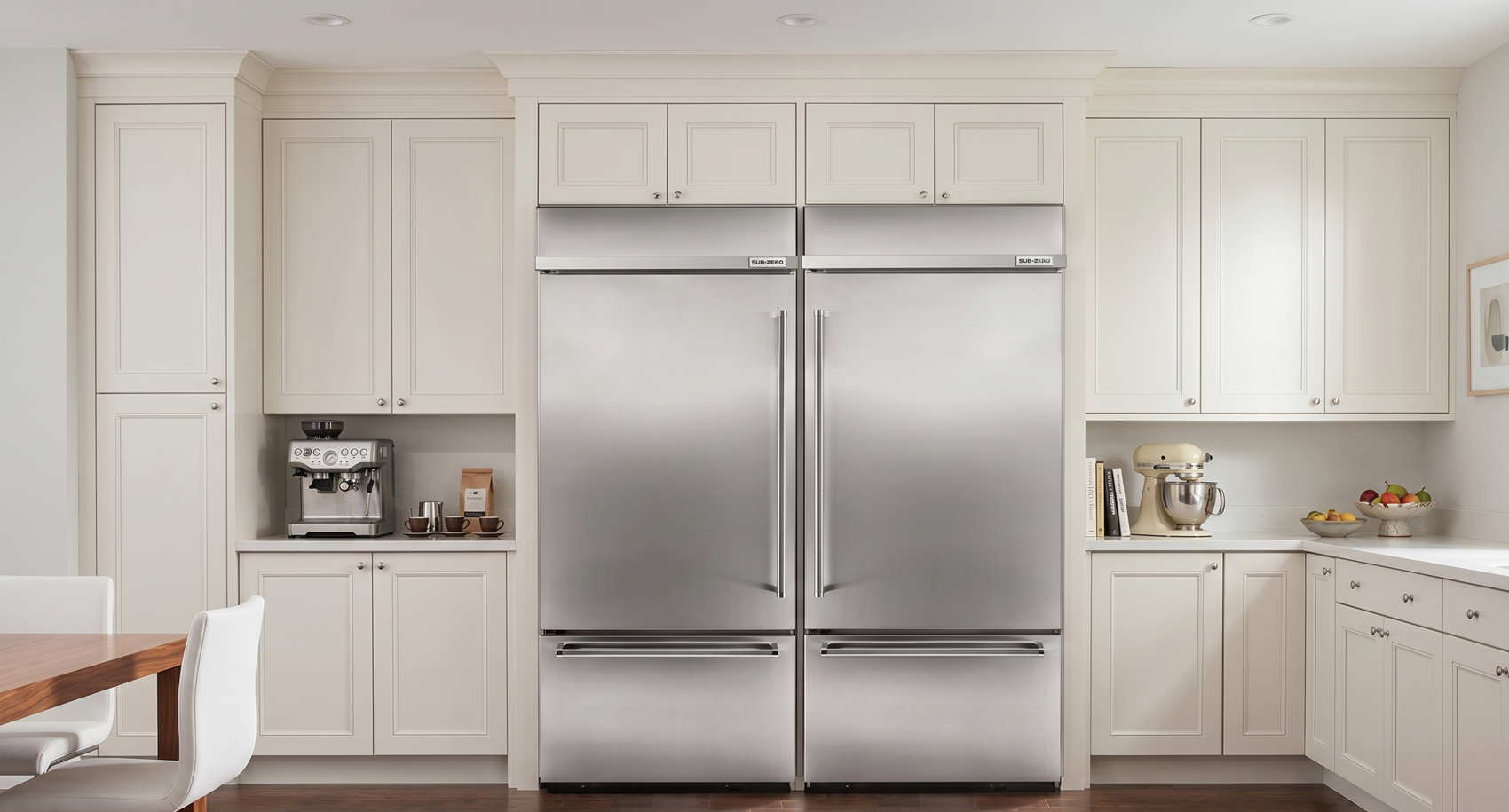
- Built-in refrigerators (Sub-Zero, Wolf, Viking): 15 to 25 years
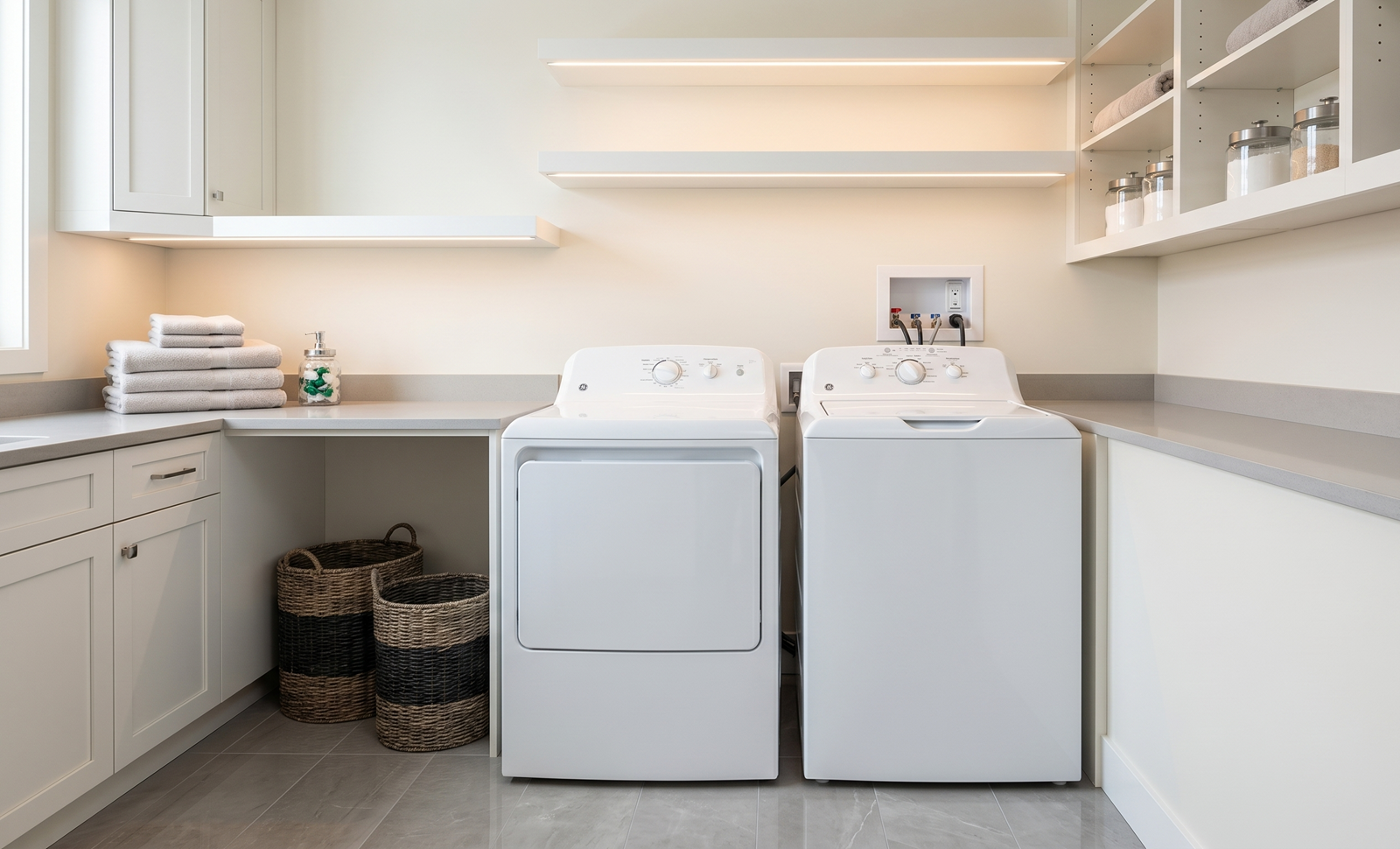
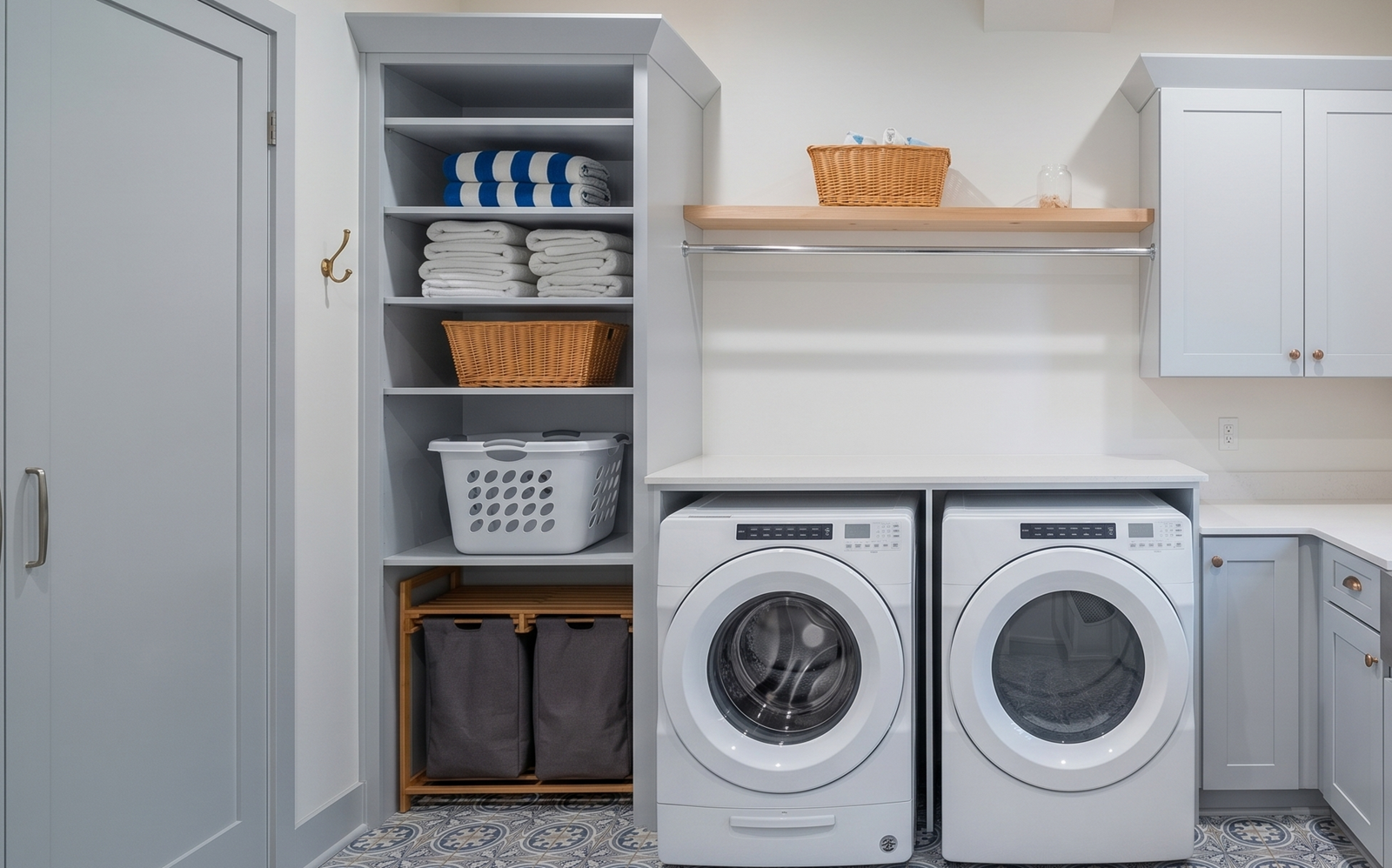
- Standard washers and dryers: 10 to 13 years
- Gas ranges and ovens: 15 to 20 years
- Electric ranges and ovens: 13 to 15 years
- Dishwashers: 9 to 12 years
- Wine cellars and wine refrigerators: 10 to 15 years
If the appliance is in the first half of its expected life, repair is almost always worth it. If it is in the second half, the 50% rule gets stricter. If it is past its expected life, replacement is usually the better call unless the repair is small and cheap.
Question to Answer: How old is the appliance, and where does it fall on the lifespan chart above?
3. What Is the Actual Repair Cost
The repair cost is not just the part. It is the part, the labor, and any related work that needs to happen to access the failed part. A $40 thermal fuse on a dryer is a $40 part, but the labor to replace it might be $150 because the dryer has to come apart.
This is why we charge a flat $60 service call to come out and diagnose. You get an exact quote for the total repair cost before any work begins. From there, you can decide whether the math makes sense.
If the repair quote feels high, ask the technician what the part costs versus what the labor costs. Some repairs are mostly labor, which means a second failure on a related part down the road will probably also be expensive. Others are mostly parts, which means the labor stays the same even if you have to replace a different part later.
Question to Answer: Have you gotten an actual repair quote, or are you guessing at the cost?
4. Brand and Parts Availability
Some brands hold up well over time and have parts that are easy to source. Others go out of business, change ownership, or stop making parts for older models. If your appliance is from a brand that no longer supports the model, repair stops being a straightforward decision.
Brands we work on regularly that have strong parts availability: Sub-Zero, Wolf, Viking, Thermador, Miele, GE, Whirlpool, KitchenAid, Samsung, LG, Maytag, Kenmore, and Bosch.
Brands that can be harder to source parts for include some older or discontinued lines, certain imports, and a few private-label units sold under store brands. If we cannot get a part within a reasonable time frame, we will tell you up front during the service call.
Question to Answer: Is your appliance a brand and model that still has good parts availability?
5. Energy Efficiency Considerations
This one matters more on refrigerators and washers than on other appliances. A refrigerator from 2008 uses significantly more electricity than one from 2026. If you are repairing an old fridge to keep it running, you are also choosing to keep paying that higher electric bill.
On a refrigerator more than 12 years old, the energy savings from a new ENERGY STAR model can offset a meaningful portion of the replacement cost over a few years. That math does not apply to ovens, ranges, or dryers, where the efficiency gains are smaller and slower to pay back.
This is not a reason to replace a working appliance. But if you are on the fence between repair and replace on an older fridge, the energy savings can be the tiebreaker.
Question to Answer: How old is the appliance, and have you looked at the energy use of a comparable new model?
6. Built-In and Luxury Appliances Are Different
The 50% rule does not apply the same way to built-in and luxury appliances. A Sub-Zero, Wolf, Viking, Thermador, or Miele unit costs significantly more to replace than a standard appliance, and the installation cost on a built-in is high because of the panel work, the cabinet fit, and the plumbing or gas connections.
On a built-in refrigerator, a $1,500 repair might be 15% of the replacement and installation cost. That repair makes sense even at that dollar amount. And on the luxury brands we work on, the units are built to last 15 to 25 years, so a major repair at year 12 is often the right move.
If you have a built-in or luxury appliance, do not let a repair quote sticker shock you into replacement. Run the actual math on the full replacement cost, including installation, before you decide.
Question to Answer: Is your appliance a built-in or luxury unit, and have you factored installation into the replacement cost?
7. How to Decide
Once you have answered the questions above, the decision usually becomes clear. Here is the quick version:
- Repair if: The appliance is in the first half of its expected lifespan, the repair cost is under 50% of replacement, parts are available, and there are no other warning signs of more failures coming.
- Replace if: The appliance is past its expected lifespan, the repair cost is over 50% of replacement, parts are hard to source, or you have already had multiple repairs in the last two years.
- Get an honest opinion if: You are in the middle. A second-half-of-life appliance with a moderate repair cost is the gray area, and the right answer depends on the specific brand, the specific part, and your situation.
This is the conversation we have with customers on every service call. If a repair does not make financial sense, we tell you that up front and only charge you the $60 service call. We have been giving Folsom-area customers honest answers like this for over 30 years.
Question to Answer: Do you have a clear answer on repair versus replace, or are you in the gray area and need a technician opinion?
In Summary
The repair-versus-replace decision comes down to three numbers: the age of the appliance, the cost of the repair, and the cost of a comparable replacement. If you know those three numbers, the answer is usually clear. The 50% rule handles most cases. The age test catches the ones the 50% rule misses. The parts availability test handles the edge cases.
Built-in and luxury appliances follow different math, and so do appliances that are still well within their expected lifespan. When in doubt, get an actual repair quote first. You cannot make the decision without real numbers.
If you want an honest opinion on whether your appliance is worth repairing, call or text us at (916) 335-0358. Our $60 service call gets you a real diagnosis and a real quote, and we will tell you straight up if the repair does not make sense. We are locally owned, fully licensed (Lic #45648) and insured, and we serve Folsom, Granite Bay, Fair Oaks, El Dorado Hills, Carmichael, Roseville, and Gold River.